

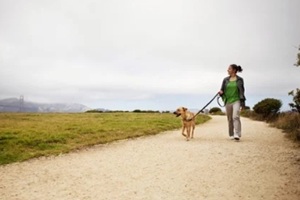
 A little groundwork before the first walk makes the difference between a dog who settles in right away and one who takes the whole session to warm up.
Handling a few basics ahead of time, from introductions to gear, means your dog walking service can spend that first visit actually walking your dog instead of catching up on everything you forgot to mention.
What Happens During the Meet and Greet
A meet and greet lets the walker meet your dog at home before the first walk. This meet and greet runs both ways. The walker decides whether this pairing works, while you watch how they read your dog. At the same time, you are deciding whether or not they are the right person to walk your furry friend.
Give the walker a few minutes to sit and get to know your dog. Tell your sitter if your dog gets nervous around strangers or if your pup has never had someone new in the house and may react more than most dogs would.
Meeting beforehand gives the walker a chance to learn your dog’s behavior, handling needs, and walking routine before taking them out alone. Patience and proximity will help your dog relax around their walker.
Gear and Identification Your Walker Will Need
Three things must be ready to go for that first walk: a collar or harness that fits properly, a leash you trust, and current tags.
A collar or harness that actually fits shouldn’t slide off with a backward tug toward the ears, but should still let two fingers slip underneath without force. Professional dog walkers check this by hand at the meet and greet. Too loose, and a quick maneuver to chase a squirrel pops it right off. Too tight, and the dog could get hurt, or at least start to dread the walk before it even starts.
A leash you trust counts most in these early sessions, before your dog learns that a tug means “this way,” not “something’s wrong.” A dog on fifteen feet of retractable line can round a corner or close in on a passing dog before a new walker even registers what’s happening. A standard four-to-six-foot leash is the safer call for a first visit.
Tags that are current need a phone number the walker can reach in the moment, not just the number on file with your veterinarian’s office. If your dog has a microchip, let the walker know, but don’t rely on it as a substitute for a visible tag. A tag is what a neighbor reads if your dog slips a collar on a residential street in Reston or Herndon.
Behavioral and Health Details Worth Sharing Upfront
Before the first walk, tell your walker about leash pulling, reactivity, escape attempts, and any handling sensitivities. A dog can be a perfect angel on the living room couch and still spin out the second another dog rounds the corner, or a jogger comes up from behind.
Leash Habits and Reactivity
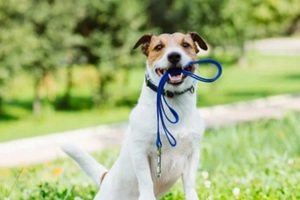
Tell your walker exactly what sets your dog off, not just that your dog “can be reactive.” Skateboard lunging calls for a different route than reactivity toward other dogs, so name the specific trigger.
Trash cans, open doors, and command reliability are worth spelling out specifically, too, not just in general terms. Say whether your dog hauls toward every can at the curb, whether a door has ever gotten away from you, and whether “leave it” or “wait” hold up once you’re outside, where there’s real competition for attention, not just in the living room.
Setting a Pre-Walk Routine That Reduces Anxiety
Keep the door, the leash, and the greeting in roughly the same order each visit.
For most dogs, it takes three or four visits before they settle into a new routine. The real test usually isn’t the meet and greet. It’s the first walk you’re not there for. Pacing by the door, dragging their feet toward the leash, skipping a meal afterward.
None of that automatically means your dog dislikes their walker. It only means the pattern hasn’t settled in yet, and that typically works itself out within two weeks.
Avoid lining up that first walk with a vet visit. Do not schedule it on the day you are moving out, or you may have a group of contractors working on something around your house. Dogs generally can’t separate those events in their minds. A chaotic day on their first walk will imprint the experience, and your pet may be less responsive on the second walk.
Adjusting for Northern Virginia Sidewalks, Traffic, and Heat
Centreville, Chantilly, Fairfax, and the surrounding areas share the same walking conditions worth discussing before a first visit. Shared sidewalks mean your dog will regularly pass other leashed dogs, sometimes up close. Tell your walker that your dog may need extra space during those encounters.
Most owners underestimate how dangerous hot pavement actually is. In fact, the American Veterinary Medical Association flags hot pavement as a hazard to pets. Concrete and asphalt stay hot well after the surrounding air cools down and can significantly harm bare paw pads. If your dog’s first session is during the middle of the day, ask your walker about shaded routes.
Winter walking can have its own complications. Road salt on Northern Virginia sidewalks can crack a dog’s pads in a single outing. Winter also brings less daylight and earlier sunsets. Bring these concerns up with your walker directly and ask what route alternatives they may have for your dog.
Schedule a Meet and Greet with Paw Pals Pet Sitting
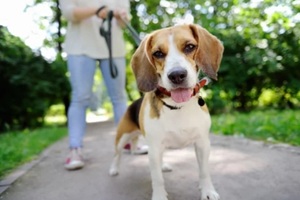
The best preparations are simple and concrete. Paw Pals opens every new client relationship with a meet and greet, giving your dog and their sitter a real chance to get familiar before that first walk ever happens. Every visit after that includes a detailed pawgress report covering how it went.
To set up a first visit for your dog in Ashburn, Centreville, Chantilly, Clifton, Fairfax, Herndon, Manassas Park, Oakton, Sterling, Reston, or Vienna, contact Paw Pals or call (703) 345-1695. Questions about the process are answered in detail on the Paw Pals FAQ page.